Last updated on September 14th, 2026 at 04:11 am
Have you ever heard someone describe an event as “supernatural” and wondered what they really meant?
Maybe it was a strange sound in an empty house, an unexplained coincidence, or a story about ghosts and spirits.
The term supernatural meaning often sparks curiosity because it connects to things people can’t easily explain with science or logic.
In simple words, “supernatural” refers to something that goes beyond the normal laws of nature.
It’s linked to mysteries, spiritual beliefs, paranormal experiences, and even religious ideas. From ancient myths to modern movies, the supernatural has always fascinated people across cultures and generations.
Understanding this word matters because it appears everywhere — in conversations, books, TV shows, social media, and everyday storytelling.
More importantly, it reflects how humans try to explain the unknown. Whether you believe in supernatural events or not, the concept continues to shape culture, emotions, and imagination in powerful ways.
What Does Supernatural Meaning?
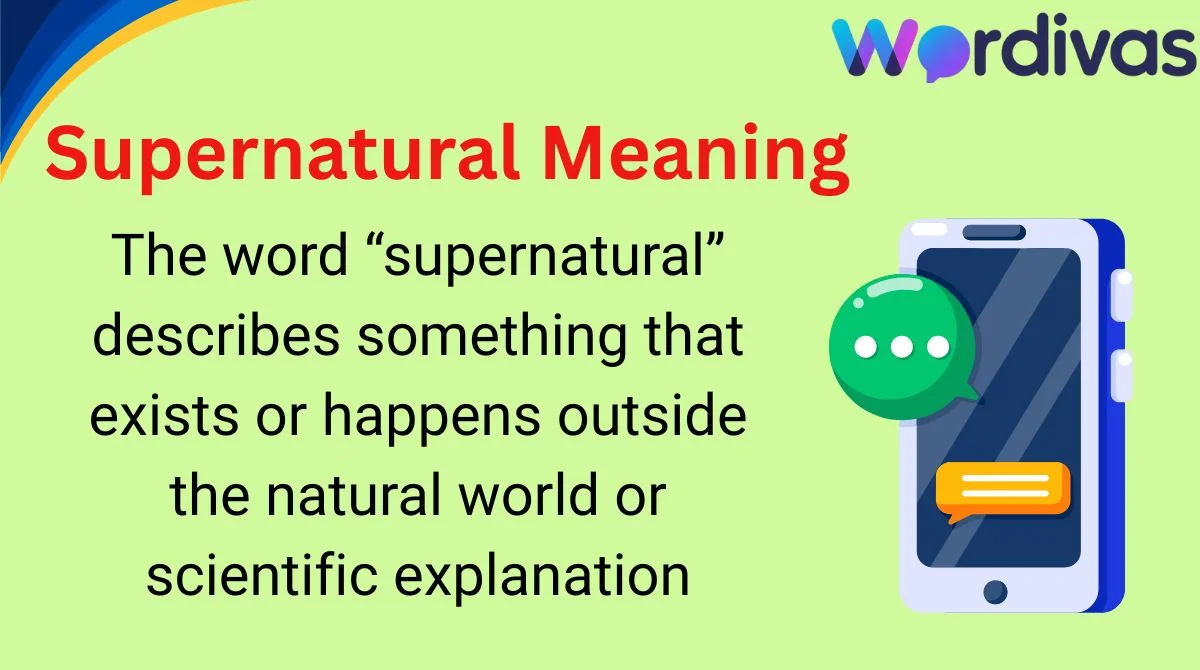
The word “supernatural” describes something that exists or happens outside the natural world or scientific explanation. It usually refers to events, powers, beings, or experiences that seem beyond human understanding.
For example:
- A person claiming to see ghosts may describe the experience as supernatural.
- Some people consider miracles supernatural because they appear impossible by normal rules.
- Stories about witches, spirits, angels, or magical powers are often connected to supernatural themes.
Unlike ordinary events, supernatural experiences feel mysterious or extraordinary. They often create feelings of wonder, fear, excitement, or curiosity.
Imagine walking into an old house and hearing footsteps when nobody is there. Some people would search for a logical explanation.
Others might call it a supernatural event. That difference in interpretation is what makes the topic so interesting.
The supernatural doesn’t always have to be scary. In many cultures, it’s also connected to hope, faith, protection, and spiritual guidance.
Supernatural Meaning in NewJeans
The word “supernatural” in NewJeans-related discussions can suggest something mysterious, unusual, or beyond ordinary human experience.
NewJeans also has a song titled “Supernatural,” where the word carries a dreamy and emotional feeling.
In this context, supernatural does not necessarily mean something frightening or magical. Instead, it can describe a connection or experience that feels rare, unexpected, or almost impossible to explain.
The word adds a sense of mystery and wonder, making it suitable for themes involving strong emotions, unusual connections, and unforgettable moments.
When people search for the “supernatural meaning NewJeans,” they may be asking about the meaning of the song, its title, or how the word fits into the group’s artistic concept.
Origin and Background of the Term
The word “supernatural” comes from two Latin roots:
- “Super” meaning above or beyond
- “Naturalis” meaning nature
Together, the term literally means “beyond nature.”
The concept has existed for thousands of years. Ancient civilizations believed natural disasters, illnesses, and unusual events were caused by gods, spirits, or unseen powers. Before modern science developed, supernatural explanations helped people understand the world around them.
In medieval Europe, supernatural beliefs became strongly tied to religion. People believed angels protected humans while demons caused harm. Folktales about magic, curses, and mystical creatures spread from one generation to another.
Even today, supernatural ideas remain popular. Modern entertainment has simply changed the way people experience them. Movies, novels, podcasts, and online videos continue to explore paranormal mysteries and unexplained events.
What’s fascinating is that every culture has its own supernatural stories. In some places, people believe in protective spirits.
In others, supernatural creatures are seen as dangerous or mysterious. These stories reveal a lot about human fears, beliefs, and imagination.
How Supernatural Is Used in Daily Life
People use the word “supernatural” in many everyday situations. Sometimes it’s serious, and other times it’s playful or dramatic.
Here are some common examples:
1. Talking About Ghost Stories
Friends often describe haunted places or strange experiences as supernatural.
Example:
“That abandoned hotel gives me supernatural vibes.”
2. Describing Extraordinary Abilities
People may jokingly call someone’s talent supernatural.
Example:
“She solved the puzzle in two minutes. That’s supernatural!”
3. Movies and TV Shows
The entertainment industry frequently uses supernatural themes.
Popular stories include:
- Vampires
- Spirits
- Time travel
- Magical powers
- Demons and angels
4. Religious or Spiritual Discussions
Some people use the term while talking about miracles, divine signs, or spiritual experiences.
5. Online Conversations
Social media is filled with supernatural theories, mystery videos, and paranormal discussions that attract millions of viewers.
6. Literature and Storytelling
Writers use supernatural elements to create suspense, emotion, and imagination in stories.
The word has become part of modern culture because humans naturally enjoy mystery and wonder.
Emotional or Practical Meaning of Supernatural
The supernatural is more than just a spooky idea. It often reflects deep human emotions and beliefs.
For some people, supernatural ideas provide comfort. Believing in guardian angels or spiritual signs can create hope during difficult times.
Others see supernatural stories as a way to connect with tradition and culture.
At the same time, supernatural themes can trigger fear or anxiety. Horror films and ghost stories intentionally use mystery to create emotional reactions.
There’s also a psychological side to it.
Humans naturally search for meaning in unusual experiences. When something feels impossible to explain, the mind often explores supernatural possibilities.
In modern society, supernatural content also serves as entertainment. People enjoy mystery because it stimulates curiosity and imagination.
Whether viewed spiritually, emotionally, or creatively, the supernatural continues to influence human thinking in powerful ways.
Similar or Related Terms
Here are some related words often connected to supernatural meaning:
- Paranormal – Events or experiences beyond scientific explanation
- Mystical – Connected to spiritual mystery or magic
- Spiritual – Related to the soul, faith, or inner beliefs
- Magical – Involving fantasy powers or enchantment
- Ghostly – Related to spirits or haunted experiences
- Miraculous – Something amazing that seems divinely caused
- Otherworldly – Appearing beyond normal human reality
While these terms are similar, they aren’t exactly the same. For example, “magical” often sounds imaginative and fictional, while “supernatural” can feel more mysterious or spiritual.
Common Misunderstandings About Supernatural
Many people misunderstand the term “supernatural.” Let’s clear up some common myths.
1. Supernatural Always Means Ghosts
Not true. The supernatural can include miracles, spiritual experiences, magical ideas, or unexplained events.
2. Only Religious People Believe in Supernatural Things
People from many backgrounds explore supernatural ideas, including skeptics who simply enjoy mystery and storytelling.
3. Supernatural Events Are Always Scary
Some supernatural beliefs are comforting or inspiring rather than frightening.
4. Science and Supernatural Can Never Connect
Some unexplained events eventually receive scientific explanations. Others remain mysteries.
5. Supernatural Stories Are Always Fake
While fictional stories exist, many people genuinely believe they’ve had supernatural experiences.
6. The Term Is Only Used in Horror Movies
Actually, the word appears in religion, literature, culture, philosophy, and daily conversation too.
Understanding these misconceptions helps people discuss the topic more openly and thoughtfully.
Examples of Supernatural in Sentences
Here are some natural and relatable examples:
- “The movie had a strong supernatural theme involving ancient spirits.”
- “My grandmother believes the strange light was a supernatural sign.”
- “The forest felt quiet and almost supernatural at night.”
- “Some people think miracles are supernatural events.”
- “He loves reading supernatural mystery novels.”
- “The old castle is famous for supernatural legends.”
- “Her story sounded supernatural, but everyone listened carefully.”
- “Many cultures have supernatural tales passed down for generations.”
These examples show how flexible and common the word has become in everyday language.
Why Understanding Supernatural Matters Today
In today’s world, the supernatural remains surprisingly relevant. Even with advanced science and technology, people still feel drawn to mystery and unexplained experiences.
Streaming platforms constantly release supernatural shows and documentaries because audiences love them. Podcasts about paranormal encounters attract millions of listeners worldwide.
But there’s a deeper reason too.
The supernatural often represents humanity’s search for meaning. People want answers to life’s biggest questions:
- What happens after death?
- Are there unseen forces in the world?
- Can miracles happen?
- Is everything explainable?
These questions are emotional as much as intellectual.
Understanding the term also improves communication. Since the word appears in entertainment, culture, religion, and casual conversations, knowing its meaning helps people better understand stories, ideas, and beliefs around them.
For students, writers, and language learners, learning words like “supernatural” also strengthens vocabulary and cultural awareness.
Most importantly, the concept reminds us that human curiosity never disappears. People will always explore the unknown because mystery is part of what makes life fascinating.
Supernatural Meaning in the Bible
In the Bible, “supernatural” generally refers to events or powers that go beyond the ordinary laws and abilities of the natural world.
The term itself is not commonly used as a specific biblical word, but the idea appears throughout Scripture.
Miracles, divine revelations, angels, and other acts of God are often understood as supernatural.
For example, biblical stories describe events that human beings could not accomplish through ordinary means.
In a Christian context, supernatural experiences are therefore often connected with God’s power, divine purpose, or spiritual realities.
Understanding this meaning can help readers distinguish between what happens naturally in everyday life and what the Bible presents as an extraordinary act of God.
Frequently Asked Questions
What does supernatural mean in simple words?
In simple terms, supernatural means something beyond normal nature or scientific explanation. It often involves mystery, spirits, magic, or unexplained events.
Is supernatural positive or negative?
It can be both. Some people associate it with fear or ghosts, while others connect it with miracles, spirituality, and hope.
Where is supernatural commonly used?
The word is commonly used in movies, books, religion, storytelling, online discussions, and everyday conversations about mysterious experiences.
Is supernatural formal or informal?
“Supernatural” works in both formal and informal language. It appears in academic discussions, entertainment reviews, and casual speech.
Why do people search for supernatural meaning?
People search for the term because they encounter it in movies, books, social media, spiritual discussions, or mysterious experiences and want a clearer understanding.
Conclusion
The supernatural meaning goes far beyond ghost stories and horror movies. It represents humanity’s fascination with the unknown, the mysterious, and the unexplained.
From ancient legends to modern entertainment, supernatural ideas continue to shape culture, imagination, and personal beliefs.
Whether you view supernatural events as spiritual truths, creative storytelling, or psychological mysteries, the term holds powerful emotional and cultural value.
It reminds us that humans are naturally curious beings who constantly search for answers beyond what we can easily see or explain.
In a world filled with logic and technology, a little mystery still keeps life interesting — and sometimes, that sense of wonder is exactly what makes us feel truly human.

Thomas Reed helps learners master English words through simple explanations and real-life usage.